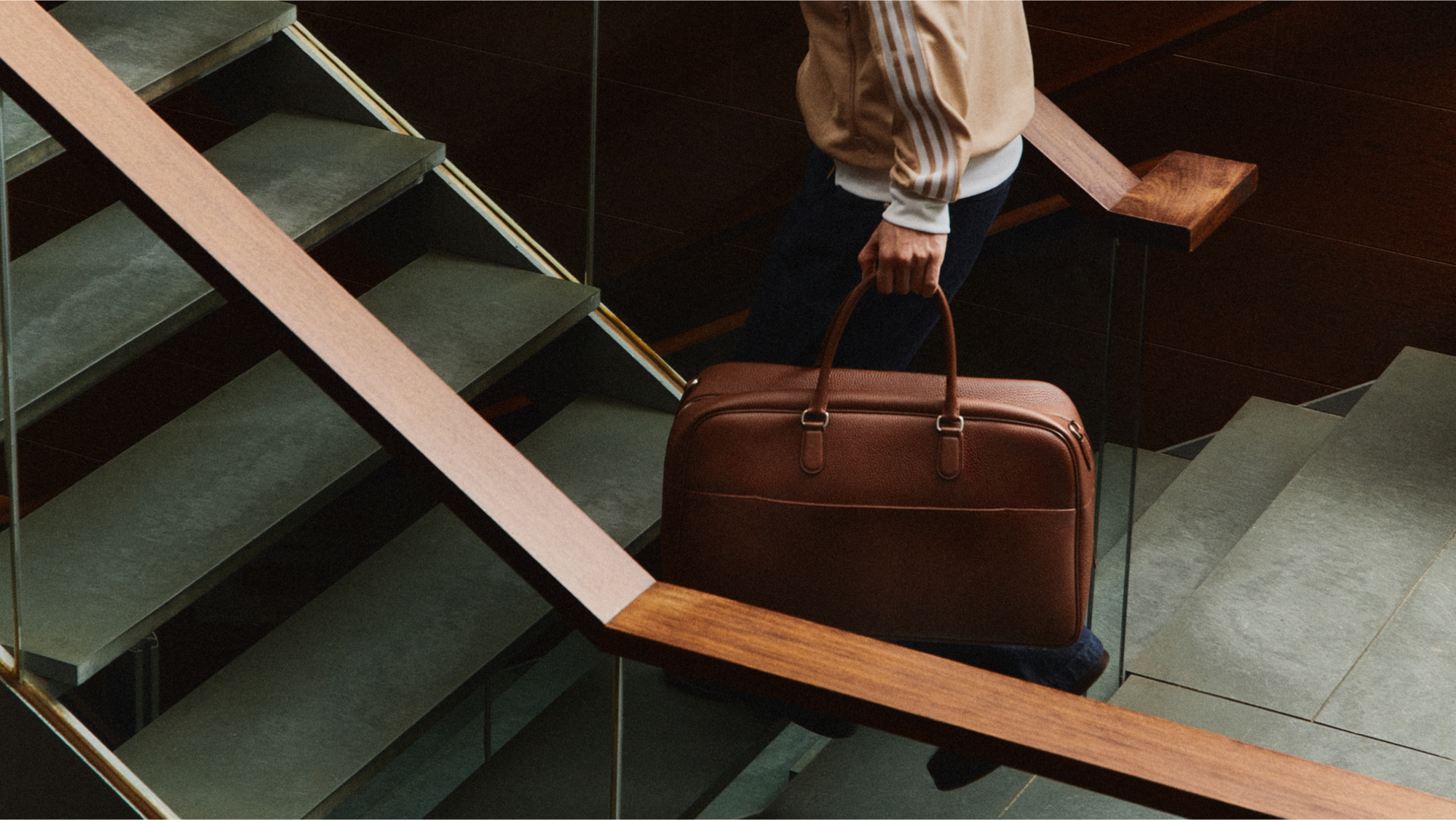
Travelling light is meant to make journeys smoother, yet many still find themselves concerned about whether their bag will actually fit under the seat in front of them.
Each airline has its own rules, and what counts as a ‘personal item’ can vary more than most expect. This guide brings clarity to underseat luggage size across major U.S. airlines, helping you choose the right bag and travel confidently.
Contents
Why do underseat luggage size dimensions rules exist?
U.S. airlines under seat dimensions: updated for 2025
Size for personal item on plane: what airlines really mean
The size of underseat luggage across aircraft types
What is the personal item bag size you should aim for?
Best underseat luggage: features, trade-offs & recommendations
Practical travel tips for maximising underseat space
Exceptions, warnings & airline policy changes
Final tips before your next flight
Why do underseat luggage size dimensions rules exist?
Contrary to major belief, rules around underseat luggage size are not arbitrary. They exist to ensure both passenger comfort and aircraft safety.
Every aircraft has specific underseat bag dimensions determined by its structure and design. Wiring, support beams and life vest compartments all occupy space beneath the seat, limiting how much room is left for bags. The seat pitch — the distance between rows — also varies across airlines and aircraft types. As airlines add more seats to increase capacity, under-seat space becomes tighter.
There are also important safety standards to consider. Regulatory bodies such as the Federal Aviation Administration (FAA) define stowage standards to maintain these clearances. This means bags must fit fully under the seat to avoid obstructing aisles or exits in the event of an emergency.
In recent years, as airlines have sought to streamline boarding and reduce overhead bin competition, underseat luggage size policies have become clearer. Some carriers have introduced smaller limits for personal items, encouraging passengers to pay for carry-on or checked baggage. Understanding these constraints helps you pack efficiently and avoid last-minute issues at the gate.
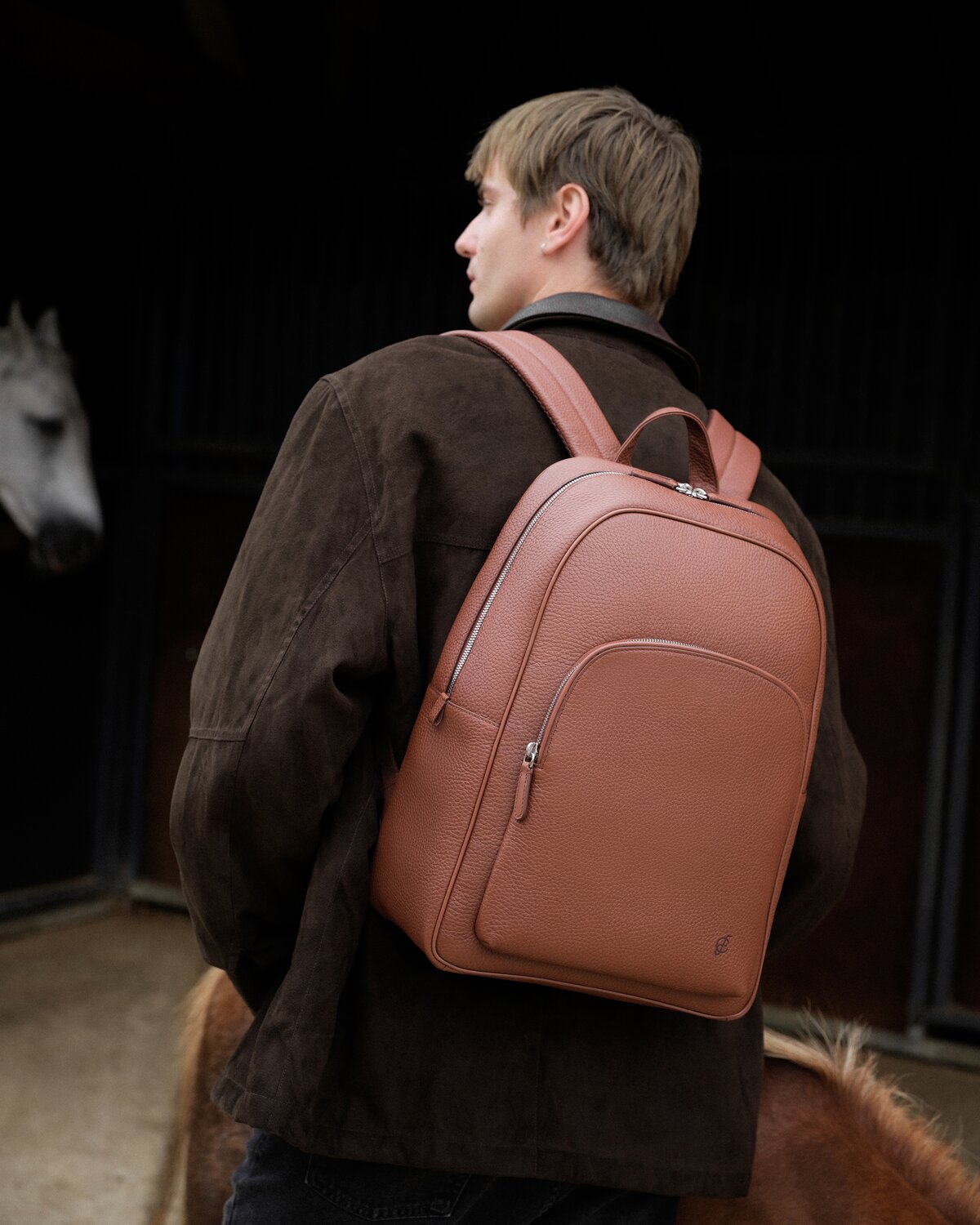

Ayrton Backpack
U.S. airlines under seat dimensions: updated for 2025
As of 2025, most major U.S. airlines publish clear size limits for personal items that must fit under the seat in front of you. The following table outlines the current airline under seat dimensions.
| Airline | Underseat Dimensions (cm/in) |
|---|---|
| Alaska Airlines | 43 x 33 x 22 / 17 x 13 x 9 |
| Allegiant Air | 45 x 35 x 20 / 18 x 14 x 8 |
| American Airlines | 45 x 35 x 20 / 18 x 14 x 8 |
| Delta Airlines | 43 x 33 x 22 / 17 x 13 x 9 |
| Frontier Airlines | 45 x 35 x 20 / 18 x 14 x 8 |
| Hawaiian Airlines | 43 x 33 x 22 / 17 x 13 x 9 |
| JetBlue | 43 x 33 x 20 / 17 x 13 x 8 |
| Southwest Airlines | 41 x 33 x 22 / 16 x 13 x 9 |
| Spirit Airlines | 45 x 35 x 20 / 18 x 14 x 8 |
| United Airlines | 43 x 33 x 22 / 17 x 13 x 9 |
Size for personal item on plane: what airlines really mean
When airlines refer to a “personal item”, they mean a smaller piece of luggage that fits completely under the seat in front of you. It is separate from your carry-on, which is stored in the overhead bin.
Typical examples include backpacks, briefcases, totes or compact duffel bags. Some travellers also use structured leather cases or soft weekenders. The key difference is not just size but accessibility. Your size for personal item on plane should allow you to keep essentials, such as a laptop, headphones and travel documents, close at hand, while larger items go in your carry-on.
For more details on how personal items differ from carry-ons, read our piece on carry-on vs. personal item.
The size of under seat luggage across aircraft types
Aircraft design plays a major role in how much space you truly have beneath the seat. Narrow-body jets, such as Boeing 737s and Airbus A320s, offer moderate under-seat space, though aisle seats often provide less height due to support rails. Wide-body aircraft, like the Boeing 777 or Airbus A350, generally have more generous under-seat clearance.
Regional aircraft can be the most restrictive. Smaller planes frequently have lower seat frames and electronic boxes under the middle seats.
On average, you expect usable space of around:
- Narrow-body: 43 x 33 x 20 cm (17 x 13 x 8 in)
- Wide-body: 46 x 36 x 23 cm (18 x 14 x 9 in)
- Regional aircraft: 38 x 30 x 18 cm (15 x 12 x 7 in)
Understanding these variations helps when selecting the right type of luggage and finding the best underseat bag dimensions for your trip.
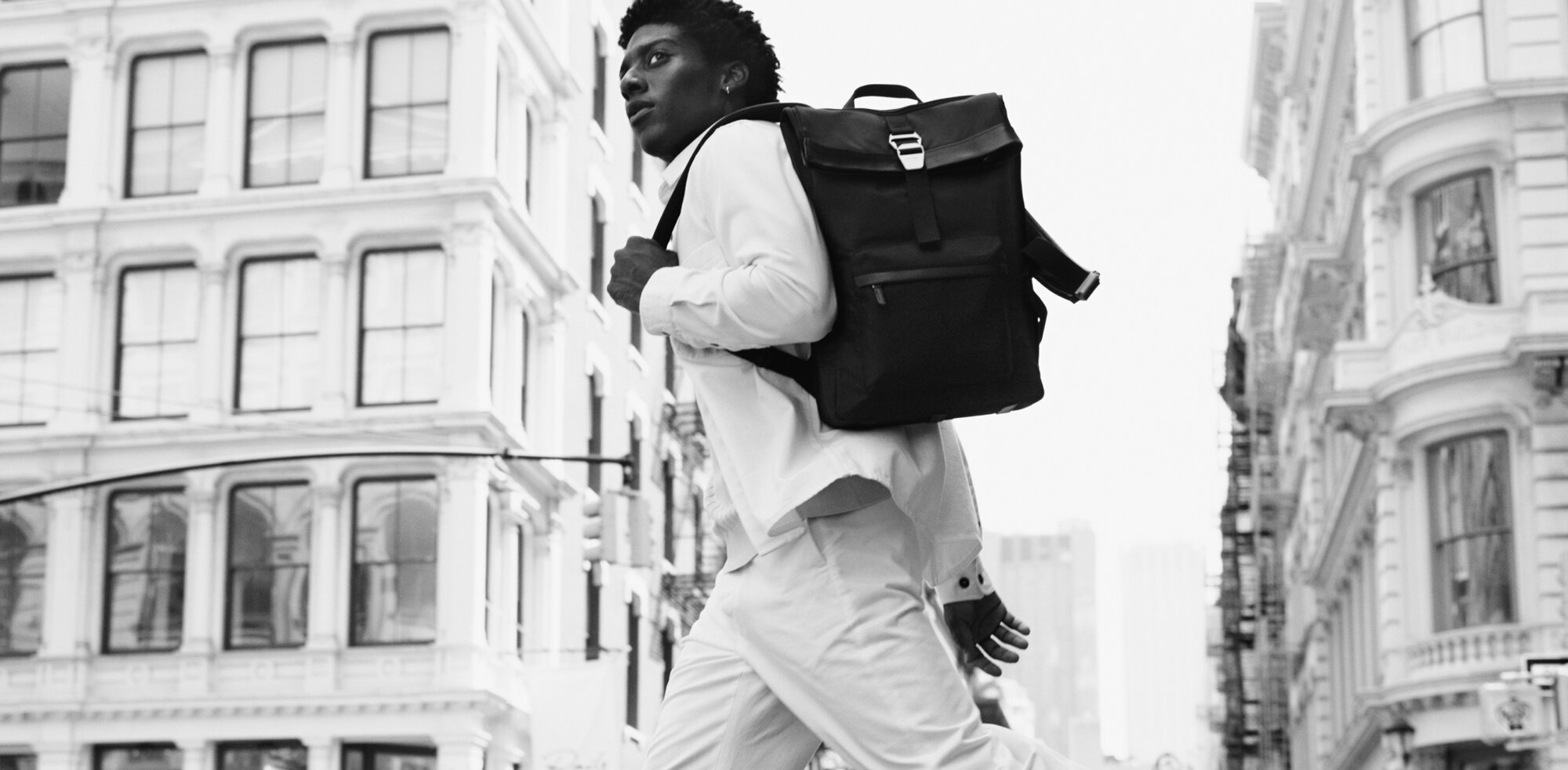

City-hopper Backpack
What is the personal item bag size you should aim for?
To stay comfortably within airline limits, a safe maximum personal item bag size is around 43 × 33 × 20 cm (17 × 13 × 8 in). This size works across most major U.S. carriers, even on smaller planes.
Soft-shell bags offer more flexibility, slightly compressing to fit under tighter seats. Hard-shell cases, while protective, tend to use more rigid space and can sometimes exceed limits when full. For a comparison of the two, read our hard vs. soft luggage piece.
If you are unsure of your bag’s dimensions, measure it carefully from edge to edge, including wheels and handles. This step ensures you avoid surprises at the gate. For guidance, read more on how to measure luggage.
Best underseat luggage: features, trade-offs & recommendations
When choosing the best underseat luggage, prioritise materials and structure that complement the way you travel. Weight, flexibility and organisation all matter.
A well-designed underseat bag should have a slim profile yet open easily in confined spaces. Internal pockets help separate devices, chargers and essentials. Removable compartments or compression panels make it easier to adjust packing capacity. Wheels add convenience but can reduce available interior space, so travellers who prioritise mobility may prefer a small spinner, while those who value capacity may opt for a soft-sided tote or briefcase.
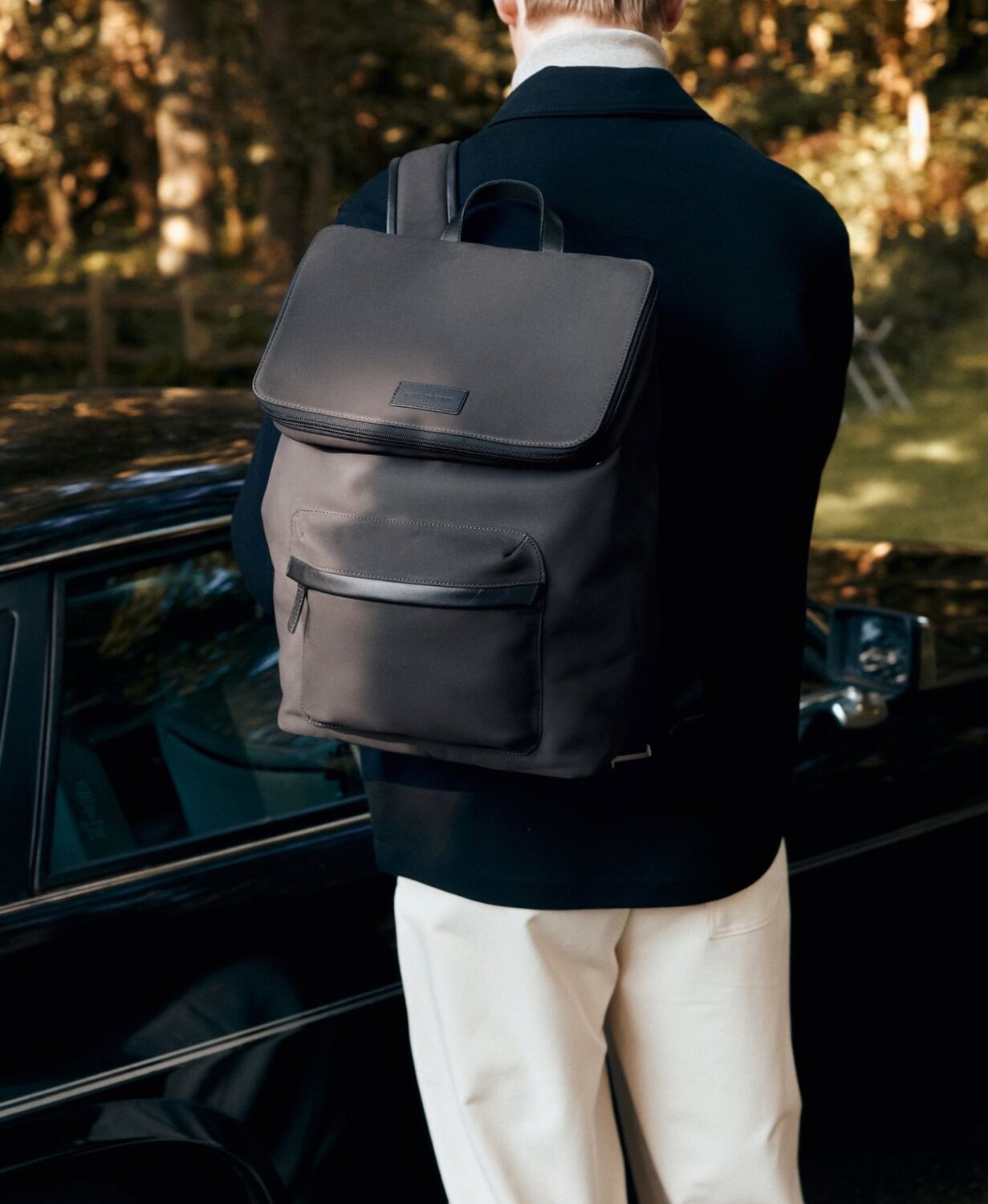
You can explore our collection of bags for timeless options that combine form and function. Leather briefcases suit business travellers seeking structure and refinement, while the leather weekender bags offer versatility for short trips. If you prefer hands-free convenience, our backpacks and totes provide elegant solutions that fit neatly under most seats.
Practical travel tips for maximising underseat space
Packing your bag strategically can make a significant difference to how easily you can access items in flight. The best underseat luggage is organised with accessibility in mind, ensuring that essentials are always within reach.
Keep heavier or less-used items at the bottom and lighter essentials at the top. Separating electronics, chargers and documents into slim pouches or sleeves helps maintain order and saves time during security checks. Packing cubes can minimise bulk, while modular organisers or removable compartments let you adapt your packing to suit different trips.
It is best to reserve your underseat bag for valuables, travel documents and items you will want mid-flight, while clothing or larger accessories should go in your carry-on overhead. When packing, consider the personal item bag size limits of your chosen airline and ensure that your essentials can be reached without unpacking the entire bag.
If space under the seat is limited or the frame is unusually low, position your bag sideways or use a softer case that can adjust slightly in shape. Choosing the best underseat luggage for your needs means balancing flexibility, weight and accessibility for a smoother travel experience.
Exceptions, warnings & airline policy changes
At your gate, the airline staff will have the final say. If your underseat luggage size appears oversized or fails to fit beneath the seat, it may be checked into the hold. This is particularly common on smaller or regional flights, where under-seat storage is limited.
Policies can also change with little notice. It is worth checking your airline’s current airline under seat dimensions before each trip. The size listed on your booking confirmation might differ from the most up-to-date website information, especially after aircraft refits or fleet updates.
Final tips before your next flight
To summarise, aim for an underseat luggage size around 43 × 33 × 20 cm (17 × 13 × 8 in), and prioritise flexible, lightweight designs that can adapt to various aircraft. Always confirm your airline’s latest airline under seat dimensions, especially if you are taking connecting flights with regional partners.
A refined, well-constructed underseat bag not only simplifies travel but also complements your overall style. To find yours, explore Carl Friedrik’s collection of underseat-ready bags, from sleek briefcases to versatile leather weekenders.
FAQs
What is considered underseat luggage?
What size bag fits under an airplane seat?
What is underseat size?
Can I bring a backpack as an underseat bag?
Do underseat bag dimensions include wheels and handles?
The latest product news and travel guides? It's just a sign-up away.
